Wprowadzenie
In the rapidly growing HNB market of 2026, the importance of device reliability is becoming clear since its absence negatively impacts profit margins and efficiency. While a heat not burn product may look good on paper, the inability of the product to perform uniformly due to inconsistent heating, limited battery power, and fragile design will quickly lead to increased spending on returns and replacement products. Such practices are more than just a minor inconvenience since they can slowly waste resources, harm business relationships, and potentially damage consumer confidence.
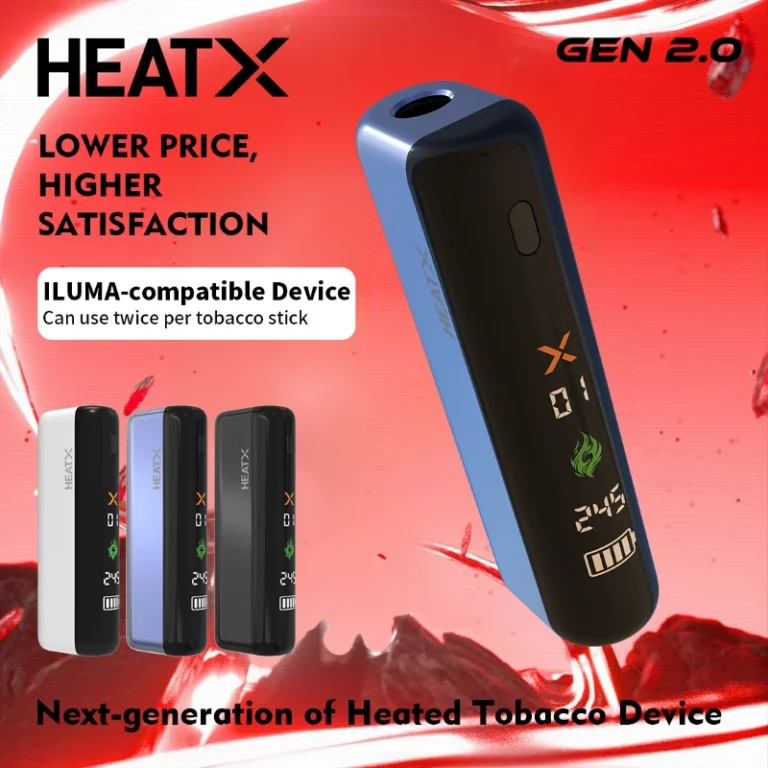
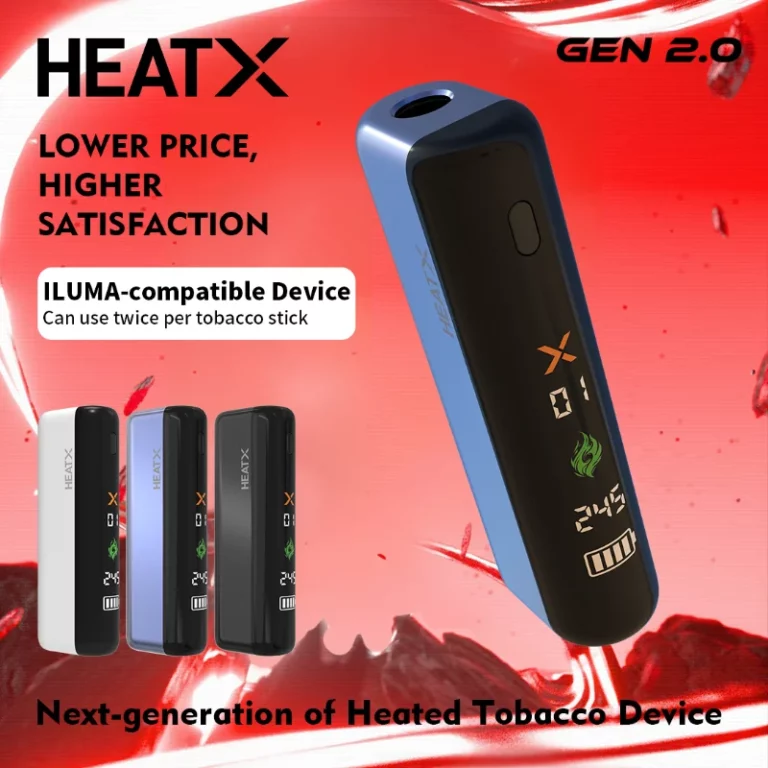
HEATX HNB devices have been designed to tackle these challenges head-on, offering stable performance and practical design for B2B buyers seeking lower post-sale risk.
Why HNB Reliability Directly Affects B2B Profit Margins
Return Costs Are More Than a Refund Problem
When a distributor faces high return rates, the damage goes beyond refunding customers. Each return involves replacement units, two-way shipping fees, repackaging labor, and time spent handling complaints. There’s also inventory loss when returned items can’t be resold and trust erosion within the distribution channel. For B2B buyers, even a low-cost HNB device can become expensive if the return rate climbs above 5%. The financial ripple effect often outweighs the initial purchase savings.
After-Sales Pressure Grows When Hardware Quality Is Inconsistent
Inconsistent hardware quality magnifies after-sales pressure. Common issues in HNB devices include unstable heating performance that produces uneven vapor output or burnt taste; battery degradation that shortens session life; charging failure caused by weak connectors; loose components that rattle during use; or buttons that lose sensitivity after several weeks. These seemingly small flaws accumulate into customer dissatisfaction and warranty claims—both of which eat into distributor margins.
Common Causes of High Return Rates in HNB Devices
Unstable Heating Performance
Heating consistency defines the user experience for any heat not burn device. If heating fluctuates or fails to reach optimal levels across the stick surface, users experience uneven tobacco extraction—leading to weak vapor or overheating complaints. Over time, these inconsistencies become one of the biggest triggers for returns.
Battery and Charging Failures
It is also clear that battery reliability affects the frequency with which warranty claims are made. A quality battery setup should be able to provide consistent power levels over hundreds of cycles without bulging or heating up. If the charger and battery are not of good quality, there will be an unexpected shutdown or an unfinished cycle, something that will have to be addressed by distributors as defective returns. For high-volume B2B operations, even small percentages of battery-related failures translate into major cost exposure.
Poor Structural Design and Material Selection
The strength of the shell and internal design will decide if the HNB unit can withstand daily abuse in its real-life retail environment. Poor-quality shell construction might lead to cracking from falls; sub-standard thermal resistance may result in melting of components around the heating chamber; and imprecise manufacturing processes might induce leakage of air or alignment issues with buttons. Over time, these design oversights increase product attrition rates long before warranty expiration.
How HEATX HNB Devices Reduce After-Sales Risks
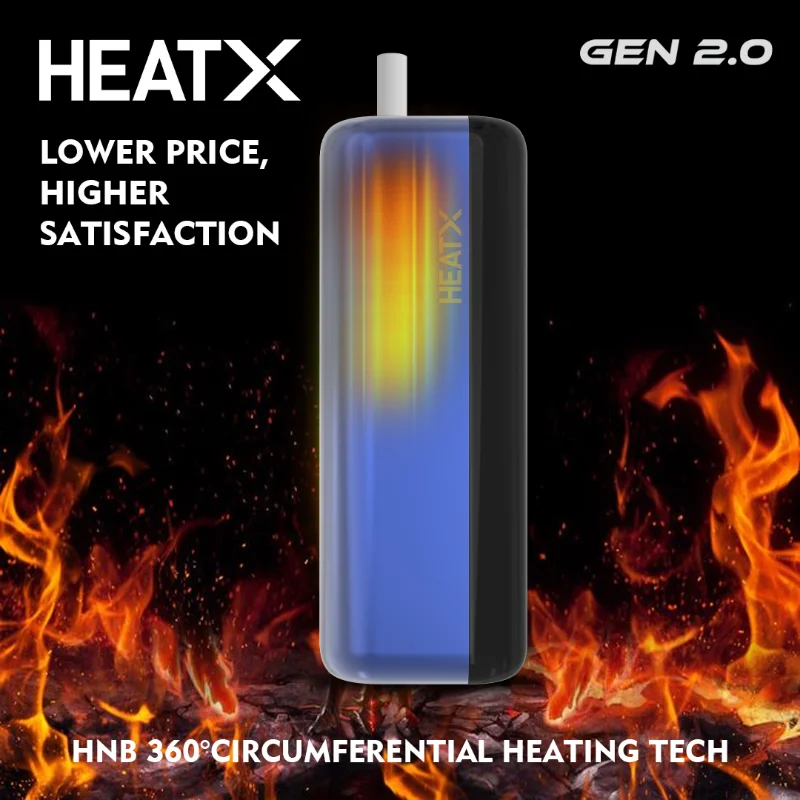
360° Circumferential Heating for Stable Sessions
HEATX Urządzenia HNB employ 360° circumferential resistance heating, which distributes heat evenly around the tobacco stick. This design reduces the chance of uneven vapor, session interruption, or burnt sticks—directly lowering complaint rates. For distributors, this translates to fewer replacements and more predictable customer satisfaction.
Dual-Mode Temperature Control
Dual-mode temperature control in HEATX devices allows sessions to be customized without compromising stability. Distributors benefit from products that can serve diverse consumer preferences across multiple markets, reducing the likelihood of returns from mismatch issues.
Practical Session Design
With roughly 20-second preheating and 240-second consistent sessions, HEATX devices are built for daily use. The design accommodates real-world consumer behavior: short bursts, repeated sessions, and multi-session use. This small attention to real usage patterns might seem trivial but has a measurable impact on reducing device failures in actual B2B deployment.
Reliability Checklist for B2B HNB Buyers
Hardware Reliability Factors to Review Before Bulk Orders
A structured checklist helps buyers identify potential weak links before committing to large orders:
- Heating system stability
- Battery capacity and charging performance
- Temperature control accuracy
- Shell material strength and heat resistance
- Button responsiveness and interface durability
- Batch-to-batch consistency
- Packaging protection during transport
- Warranty policy transparency and spare parts availability
Sample Testing Before Mass Purchase
Buyers should never rely solely on catalog images or attractive quotes from an hnb device manufacturer. Real testing should include repeated charge-discharge cycles, continuous heating sessions under different voltage conditions, drop simulations from retail counter height, temperature consistency logging across multiple sticks, and packaging inspection under vibration stress tests.
Comparing Short-Term Price with Long-Term After-Sales Cost
Why the Lowest Quote May Carry Higher Hidden Risk
A cheaper hnb supplier might look appealing during procurement but could create costly after-sales headaches later on. Every additional percentage point in return rate means lost revenue from replacements, logistics handling fees, slower restocking cycles, and frustrated distributors who lose confidence in product stability.
Suggested Cost Review Table for B2B Buyers
| Evaluation Area | Low-Reliability Device Risk | Reliable HNB Device Value |
| Heating performance | More taste/output complaints | More stable user experience |
| Battery system | More charging/power failures | Lower warranty pressure |
| Structural design | Higher damage rate in daily use | Better product life cycle |
| Packaging | Higher transport damage risk | Safer bulk delivery |
| After-sales support | Slow response/unclear policy | Easier claim handling |
Even minor improvements in reliability can save thousands in B2B operational costs, especially over repeated orders.
Supply Chain and Documentation Support
Stable Batch Quality Matters for Distributors
Consistency between batches is critical in maintaining downstream trust. If one shipment performs well but the next batch fails prematurely due to QC variation, distributors face channel disruption and unsellable stock accumulation—both of which undermine profit margins.
Clear Documentation Supports Faster Problem Solving
Complete documentation—including detailed specifications sheets, battery certificates, user manuals, packaging diagrams, test reports, and warranty terms—helps importers respond faster when retailers raise issues. It also demonstrates supplier maturity—a key differentiator when evaluating long-term partners in the heat not burn segment.
Compliance Awareness Protects Long-Term Market Operations
HNB Products Need Careful Market Claims
HNB products occupy a complex regulatory space globally. Special tobacco is heated to 200-350℃ using an external heat source (such as electric or electromagnetic heating), causing nicotine and flavor compounds in the tobacco to volatilize and form aerosols. However, buyers must avoid suppliers making unsupported health or “reduced-risk” claims unless officially authorized in specific jurisdictions like FDA-approved IQOS variants.
Reliable Suppliers Should Support Market-Specific Requirements
Each market has its own labeling language rules, age restriction icons, import declarations, recycling marks, and safety warnings that must appear on packaging before customs clearance. China’s upcoming 2026 heated cigarette standard project signals that technical compliance expectations will only grow stricter across supply chains.
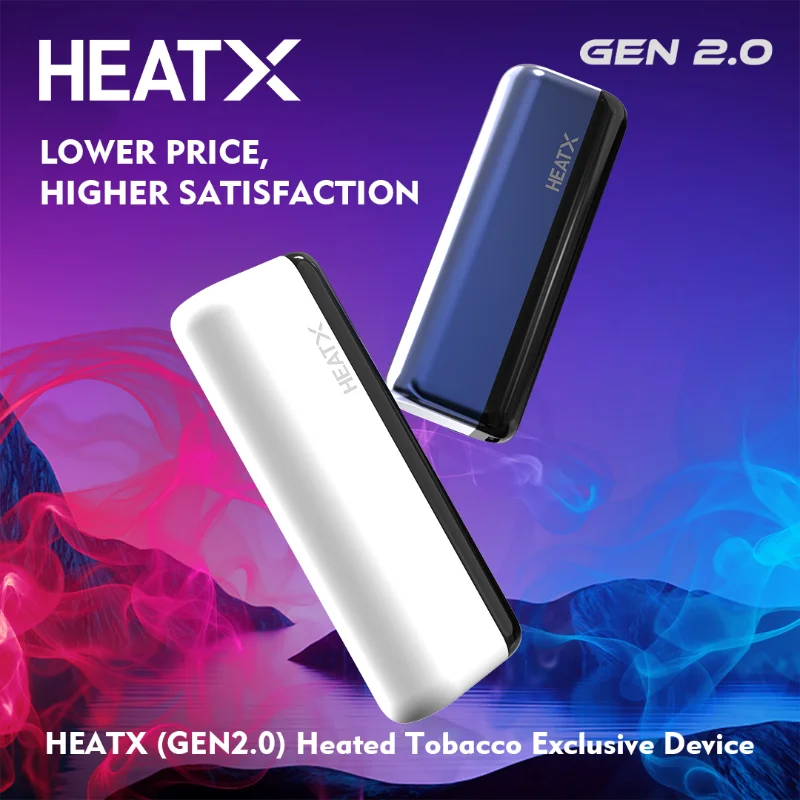
Why HEATX Fits a Reliability-First B2B Sourcing Strategy
Product-Focused Reliability for Global Buyers
HEATX focuses on mechanical stability and repeatable quality control across mass production lines—backed by investment exceeding US$30 million in equipment automation according to its production overview—and annual output capacity reaching millions of units per year with international test certifications already completed.
Suitable for Buyers Seeking Lower Return Risk
HEATX’s combination of circumferential heating technology, dual-mode temperature control system, practical preheat/session structure, and transparent B2B support framework positions it as an efficient solution for distributors aiming to reduce return rates while maintaining consistent consumer satisfaction across markets.
Wniosek
Device reliability directly influences return rates, warranty costs, distributor confidence levels, and overall channel profitability within the hnb category. As global standards tighten by 2026, focusing solely on unit price is no longer sustainable; attention must shift toward heating precision, battery stability metrics, structural endurance tests, complete documentation sets, and supplier responsiveness benchmarks.
For buyers seeking to build a more predictable heat not burn product line, HEATX offers practical solutions, lower hidden costs, and support for repeatable success. Contact HEATX today to explore product offerings and B2B cooperation options.
Często zadawane pytania
Q1: Why does HNB device reliability matter for B2B buyers?
A: Reliable hnb devices protect profit margins by reducing returns related to unstable heating or defective batteries while preserving distributor reputation through consistent performance delivery.
Q2: What causes high after-sales costs in HNB products?
A: Common drivers include inconsistent heat generation patterns, weak battery management systems leading to early degradation cycles, fragile casing materials prone to cracking during transport or use, plus unclear warranty communication from suppliers.
Q3: How can HEATX HNB help reduce return risk?
A: HEATX integrates 360° circumferential heating technology with dual temperature modes ensuring steadier sessions; combined with robust structural design it minimizes defect-driven complaints across distribution networks.
Q4: What should be tested before placing a bulk HNB device order?
A: Conduct endurance-based tests covering charge-discharge cycles count verification up to rated capacity limits; thermal uniformity mapping under repeated sessions; drop-resistance evaluation at standard retail heights; plus packaging compression checks simulating freight conditions.
Q5: Is price the most important factor when choosing an HNB supplier?
A: No—short-term savings may hide long-term liabilities such as elevated return ratios or costly replacement logistics if partnering with low-reliability manufacturers instead of proven providers like HEATX offering documented quality stability across batches.